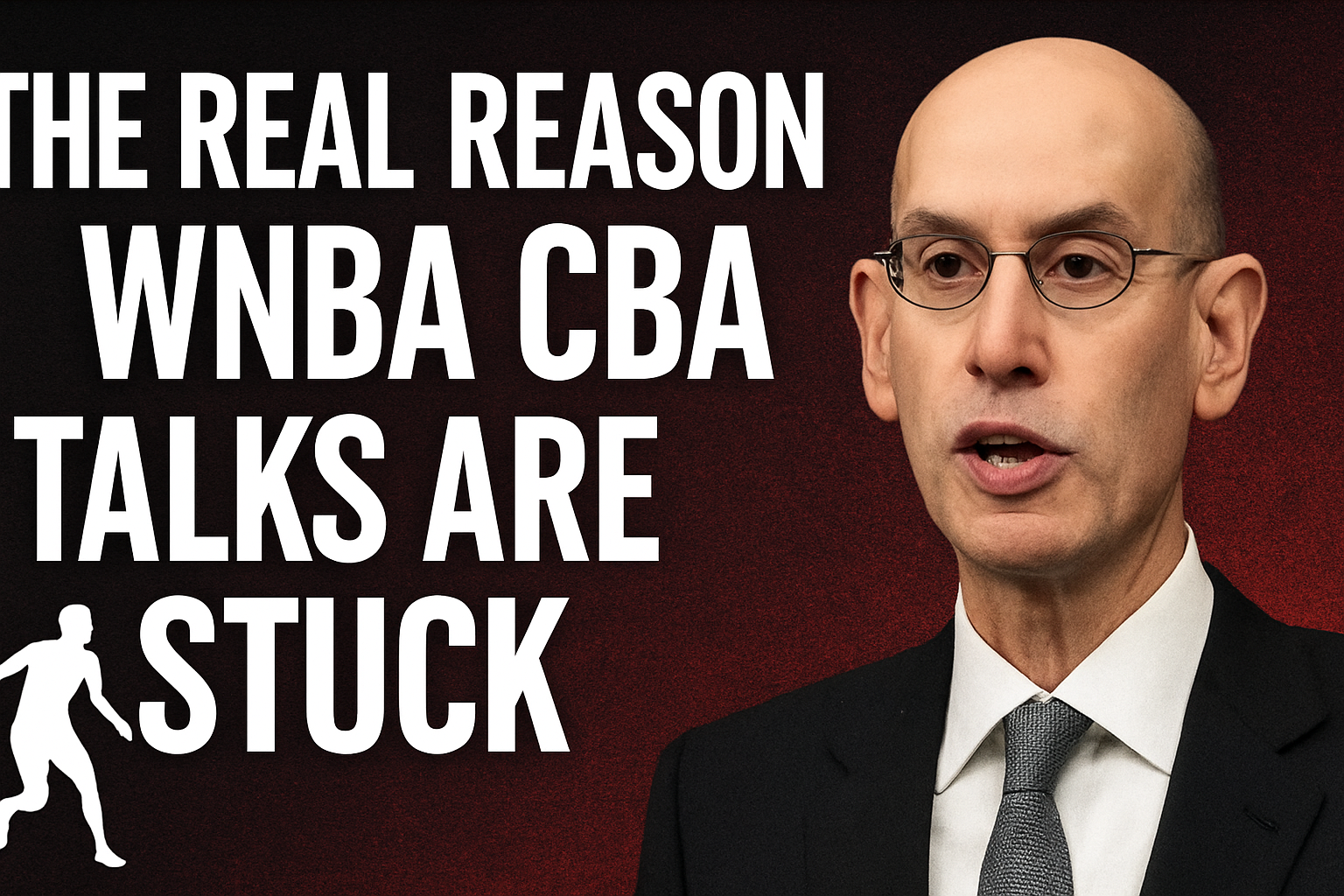
The WNBA’s CBA negotiations aren’t bogged down because of salaries, facilities, or even charter flights — the issues everybody thinks are slowing the process. According to emerging discussions and insider speculation, there’s a far deeper philosophical fight happening behind closed doors, and it’s creating the biggest standoff of the entire CBA process.
And no one wants to talk about it publicly.
The Reported Holdup No One Saw Coming
While fans assumed the league and the players’ union were hammering out financial structures, new reporting — highlighted by analyst Chené — suggests a different core issue entirely:
a push for a mandatory quota of Black female head coaches in the WNBA.
According to this reporting, player representatives want a written guarantee in the new CBA that secures a minimum number of Black women in head-coaching roles across the league. The argument from the players’ side is that representation hasn’t kept pace with the demographics or history of the sport, and that structural change won’t happen without enforceable rules baked into the agreement.
But that’s where everything freezes.
Adam Silver Reportedly Says “No” — Not to Diversity, But to Mandates
NBA Commissioner Adam Silver, who holds major influence over league governance, is reportedly pushing back — not arguing against representation, but against setting quotas in a legal agreement. His stance, as described in these discussions, is that teams should hire “whoever is most qualified,” without numerical requirements dictating who must be hired.
And that is the philosophical fault line the entire CBA is now sitting on.
This Isn’t About Money — It’s About Power
What’s at stake isn’t just coaching hires.
It’s control.
- Players want structural authority: the power to shape what the league looks like and how opportunities are distributed.
- The league wants to preserve flexibility: the power to let teams hire without mandated racial or gender formulas.
This isn’t a small disagreement — it’s a fundamental clash over how the WNBA should be built, regulated, and governed for years to come.
Why This Issue Is So Explosive
Coaching diversity in women’s basketball has long been a point of tension. Many players believe the numbers don’t reflect the player pool or the culture of the sport. Others argue that quotas, while rooted in good intentions, could create new problems or legal challenges.
Both sides believe they’re fighting for the future of the league.
Both feel the stakes are too high to compromise easily.
That’s why the talks are stuck.
The Future of the WNBA Hangs on More Than Money
For once, the CBA battle is not about salaries, travel, or benefits — it’s about identity, philosophy, and power. It’s about who gets to shape women’s basketball from the top down.
Until this question is answered, the CBA won’t move.
And the longer the standoff continues, the louder the outside world will start asking the same question:
What should the future of the WNBA look like — and who gets to decide?
